- Published: May 28, 2026
- //
- Blog
What No One Tells You About Thyroid Labs
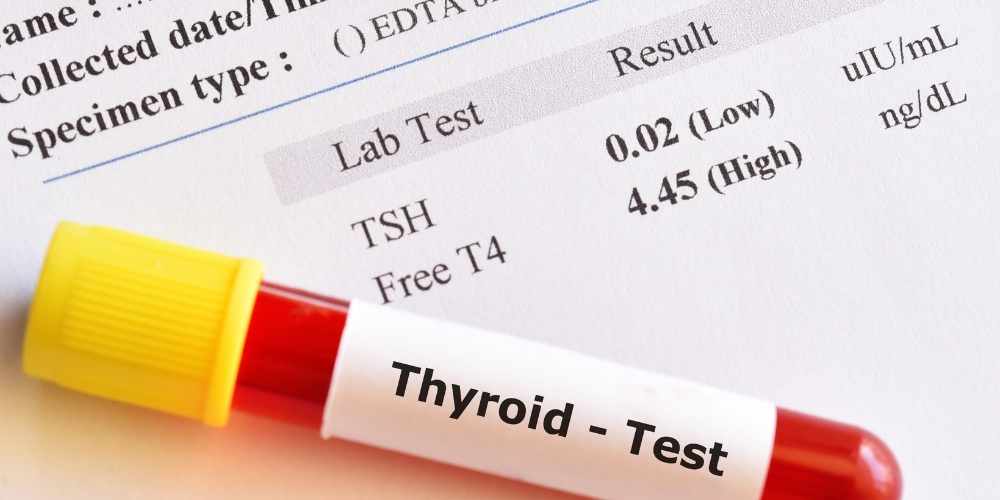
You can have normal thyroid labs and still experience thyroid-related symptoms.
I see this often in women in their 40s and 50s who are dealing with exhaustion, brain fog, weight changes, hair loss, low mood, and a metabolism that feels slower every year. They are told their thyroid is “fine” because their TSH falls within the standard lab range, yet their symptoms continue to worsen.
The problem is that TSH alone does not provide a complete picture of thyroid function.
A comprehensive thyroid evaluation looks beyond a single screening marker. It examines how thyroid hormone is produced, converted, transported, and used throughout the body, while also considering stress, nutrient status, gut health, hormones, and autoimmune patterns like Hashimoto’s thyroiditis.
When you understand the full thyroid picture, your symptoms start to make sense.
Normal Thyroid Labs Do Not Always Mean Normal Thyroid Function
A normal TSH does not automatically mean your thyroid is functioning optimally.
That distinction matters, especially for women in perimenopause who feel exhausted despite being told their labs look fine.
In my practice, I often see women who have spent years trying to push through symptoms like fatigue, brain fog, cold intolerance, constipation, low mood, weight gain, and hair thinning. Many have only had one thyroid marker tested: TSH.
TSH is useful as a screening tool. It is not a complete thyroid assessment.
Why So Many Women Are Told Everything Looks Fine
Most conventional thyroid screenings begin and end with TSH, which stands for thyroid stimulating hormone.
TSH is produced by the pituitary gland in the brain. Its job is to signal the thyroid to produce hormone. It is not thyroid hormone itself.
A high TSH can indicate the brain is working harder to stimulate the thyroid. A low TSH can indicate the body has enough circulating hormone. That sounds straightforward, but thyroid physiology is far more complex than one number.
TSH does not tell us how much active thyroid hormone is reaching your cells. It does not tell us whether your body is converting thyroid hormone effectively. It does not tell us whether autoimmune activity is damaging the thyroid.
That gap is where many women live for years.
What TSH Actually Measures
TSH Is a Signal, Not a Thyroid Hormone
Your thyroid primarily produces T4, also called thyroxine.
T4 is considered a storage hormone. Before your body can use it effectively, it must be converted into T3, the active thyroid hormone that supports metabolism, energy production, temperature regulation, cognitive function, and mood.
That conversion happens largely in the liver and gut.
When conversion is impaired, you may have enough T4 on paper but still experience symptoms of low thyroid function because your cells are not receiving enough active T3.
Why Symptoms Can Exist with a “Normal” TSH
Several factors can interfere with thyroid hormone conversion:
- Chronic stress and elevated cortisol
- Selenium, zinc, iron, or iodine deficiencies
- Gut inflammation or dysbiosis
- Caloric restriction and under-eating
- Chronic illness or inflammation
- Certain medications
This is why women can have a normal TSH and still experience significant thyroid fatigue symptoms.
A 2023 review published in the journal Frontiers in Endocrinology noted that persistent symptoms can remain in some patients despite thyroid lab normalization, particularly when broader physiologic factors are not addressed.
The Missing Pieces in Standard Thyroid Labs
Free T4 and Free T3
Functional thyroid testing looks beyond TSH alone.
I typically evaluate Free T4 and Free T3 because these markers show how much hormone is available for the body to use. Free hormones are not bound to proteins in the bloodstream, which makes them more clinically useful when assessing symptoms.
In many women with fatigue, I see Free T3 sitting at the very bottom of the lab range despite a “normal” TSH.
That matters clinically.
A result inside the reference range is not always the same thing as optimal function.
Reverse T3 and Chronic Stress
Under chronic stress, the body may convert T4 into Reverse T3 instead of active T3.
Reverse T3 acts like a metabolic brake. It occupies thyroid receptor sites without activating them.
This pattern can appear during prolonged stress, inflammation, restrictive dieting, illness, or elevated cortisol states. Women often describe feeling tired but wired, mentally foggy, cold, and metabolically stuck.
Reverse T3 testing is not necessary for everyone, but in complex cases it can provide useful clinical context.
Thyroid Antibodies and Hashimoto’s Thyroiditis
Hashimoto’s thyroiditis is the most common cause of hypothyroidism in the United States, according to the American Thyroid Association.
Hashimoto’s is an autoimmune condition in which the immune system attacks thyroid tissue over time.
The two primary antibodies assessed are:
- TPO antibodies
- Thyroglobulin antibodies
Women can have elevated antibodies for years before TSH becomes abnormal enough for diagnosis.
This is one of the biggest gaps I see in standard thyroid evaluations.
A woman may be told her thyroid is normal while active autoimmune damage is already occurring.
Why Thyroid Fatigue Symptoms Are Often Missed in Perimenopause
Perimenopause and thyroid dysfunction share many of the same symptoms.
That overlap can make it difficult to identify what is driving fatigue, weight gain, mood changes, sleep disruption, and brain fog.
Estrogen, Cortisol, and Thyroid Function
Estrogen influences thyroid hormone availability.
Higher or fluctuating estrogen levels can increase thyroid binding globulin, a protein that binds thyroid hormone in the bloodstream. When more hormone is bound, less remains freely available to tissues.
Cortisol also affects thyroid conversion.
Chronically elevated cortisol can suppress T4 to T3 conversion and increase Reverse T3 production. This is one reason stress physiology cannot be separated from thyroid health.
Your thyroid does not function independently from the rest of your endocrine system.
Nutrient Deficiencies and Gut Health
Several nutrients are essential for thyroid hormone production and conversion:
- Selenium
- Zinc
- Iron
- Iodine
- Vitamin D
- Vitamin B12
Iron deficiency alone can impair thyroid enzyme activity, according to research published in Nutrients.
Gut health also matters.
A significant amount of thyroid hormone conversion occurs in the gut. Chronic inflammation, dysbiosis, and intestinal permeability can all affect thyroid function and autoimmune activity.
Functional Thyroid Testing vs Standard Testing
Functional thyroid testing looks at patterns, not just disease thresholds.
The goal is to understand why symptoms are happening before dysfunction becomes severe enough to trigger a diagnosis.
What a Comprehensive Thyroid Panel Includes
A more complete thyroid evaluation may include:
| Standard Testing | Functional Thyroid Testing |
|---|---|
| TSH only | TSH |
| Free T4 | |
| Free T3 | |
| Reverse T3 when appropriate | |
| TPO antibodies | |
| Thyroglobulin antibodies | |
| Iron and ferritin | |
| Vitamin D and B12 | |
| Inflammatory markers |
This approach provides a more complete picture of thyroid physiology and symptom patterns.
What to Do if Your Thyroid Labs Are “Normal” but You Still Feel Unwell
Persistent symptoms deserve a more complete investigation.
If you recognize yourself in this conversation, start by asking for a comprehensive thyroid panel rather than TSH alone.
Pay attention to patterns in your body. Fatigue, brain fog, cold intolerance, hair loss, constipation, low mood, and weight changes are all meaningful clinical signals.
You do not need to wait until your labs become severely abnormal before looking deeper.
In my practice, the most effective thyroid support plans address the whole picture: thyroid physiology, stress response, gut health, nutrient status, inflammation, and hormone balance together.
FAQ
Yes. Many women experience thyroid fatigue symptoms despite normal TSH levels because standard testing often misses conversion issues, autoimmune patterns, and hormone availability at the cellular level.
A comprehensive thyroid panel may include Free T4, Free T3, thyroid antibodies, and sometimes Reverse T3, along with nutrient testing such as iron, ferritin, vitamin D, and B12.
Functional thyroid testing evaluates how thyroid hormone is produced, converted, transported, and used throughout the body instead of relying on TSH alone.
Hashimoto’s thyroiditis is an autoimmune condition in which the immune system attacks thyroid tissue. It is the most common cause of hypothyroidism.
Yes. Hormonal fluctuations during perimenopause can worsen fatigue, brain fog, mood changes, and metabolic symptoms that overlap with thyroid dysfunction.
Yes. Chronic stress and elevated cortisol can impair T4 to T3 conversion and increase Reverse T3 production, which can contribute to fatigue and slowed metabolism.
Medication may normalize lab markers while other contributing factors remain unresolved, including nutrient deficiencies, gut dysfunction, chronic stress, inflammation, or hormone imbalances.
When you’re ready for more clarity around your fatigue and hormone symptoms, take the Why Am I So Tired? Hormone Assessment.
Tags :
- fatigue
- /
- hormone health
- /
- perimenopause
- /
- thyroid
- /
- weight
- /
- women's health
Share :
-
Fb
-
Pn
-
Ln
Keep Up With Articles