- Published: November 5, 2026
- //
- Blog
Mold Exposure and Unexplained Symptoms: Could Your Home Be a Factor?
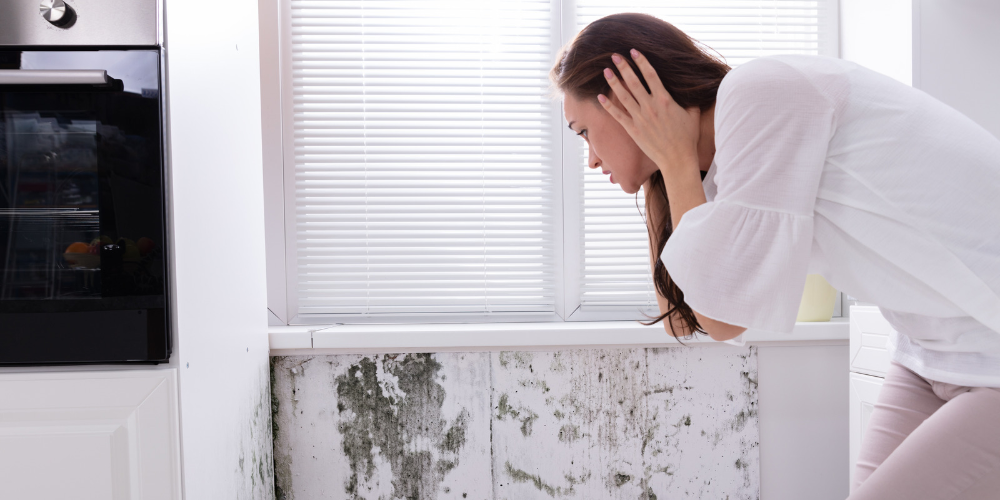
You can spend months trying to understand persistent symptoms. You may have looked at your hormones, digestion, nutrition, sleep, and stress levels. You may have completed testing and tried different approaches, but still feel like an important part of the picture is missing.
One area that can be overlooked is your home environment.
During my conversation with Corey Levy, founder of Yes We Inspect, we discussed how hidden moisture and mold may contribute to indoor environmental exposures. Corey has spent more than 20 years working in the mold inspection industry. He shared why some mold problems are difficult to identify, what traditional inspections may miss, and how a more thorough look at a building can help locate potential exposure points.
From a naturopathic perspective, I think this is an important part of the larger conversation about persistent symptoms. Your health is influenced by several factors, and your surroundings can be one of them.
How Indoor Mold Exposure Can Affect the Conversation About Your Health
Mold is a natural part of our environment. It exists both indoors and outdoors, and mold spores can enter your home through windows, doors, ventilation systems, clothing, and pets.
The concern begins when moisture allows mold to grow indoors. Leaking pipes, roof damage, flooding, condensation, and damp building materials can create conditions where mold develops.
The Centers for Disease Control and Prevention (CDC) explains that exposure to damp and moldy environments may cause different health effects depending on the individual. These can include nasal congestion, sore throat, coughing, wheezing, irritated eyes, and skin reactions. People with asthma or mold allergies may experience more significant symptoms. CDC guidance on mold.
During our conversation, Corey explained that people sometimes overlook their home because they don’t see visible mold or experience the respiratory symptoms they associate with it.
That can make environmental exposure difficult to recognize. A home can look clean while moisture problems remain hidden behind building materials or in less frequently inspected areas.
Why Mold May Be Difficult to Find in Your Home
One of the most important points Corey shared was that a visual check of the rooms you use every day may not reveal the entire condition of a building.
Mold and moisture problems can develop in places such as:
Attics and crawl spaces
Inside wall cavities
Around plumbing and under sinks
Behind bathroom walls and showers
Around windows or areas with recurring condensation
Heating, ventilation, and air conditioning (HVAC) systems
A musty odor, past water damage, or recurring leak can be a reason to investigate further. However, the absence of an odor or visible growth does not establish that a home has no moisture-related issue.
Corey also explained that some inspections rely heavily on short air samples. These samples capture conditions at a particular location and time. Indoor air changes as heating and cooling systems operate, humidity shifts, and people move through a room.
His approach at Yes We Inspect involves looking more closely at the building itself. He described using moisture measurements and targeted sampling in areas where there are signs of a potential problem. This process helps identify where further investigation may be useful rather than relying on a single air sample to explain the condition of an entire home.
The important takeaway is that testing should be appropriate to the question being asked. A sample from one room may provide information about that location, but it cannot automatically explain every possible source of moisture or mold elsewhere in the building.
What Symptoms Should Make You Consider Your Environment?
People often associate mold with sneezing, coughing, and a stuffy nose. Those are recognized symptoms that can occur with exposure, particularly in people who have allergies or asthma.
However, people dealing with ongoing health concerns may also wonder whether their environment deserves attention when they are experiencing symptoms such as:
Persistent fatigue
Brain fog or difficulty concentrating
Recurring respiratory irritation
Allergies or asthma symptoms
Skin irritation
Ongoing symptoms that have not improved as expected
These symptoms have many possible causes. Fatigue and brain fog, for example, can be associated with sleep disruption, hormone changes, nutrient deficiencies, blood sugar concerns, medication effects, and other health conditions.
They cannot be used on their own to diagnose mold exposure or mold-related illness.
This distinction matters. I want to understand what may be contributing to your symptoms without assuming that one environmental factor explains everything.
The World Health Organization has identified associations between damp or moldy indoor environments and respiratory symptoms, allergies, asthma, and other health concerns. Its guidance emphasizes preventing persistent dampness and addressing mold growth in buildings. WHO guidelines on dampness and mold.
Why a Home Mold Inspection May Need More Than One Test
During the podcast, I asked Corey why some traditional mold inspections may miss hidden problems.
He explained that a limited inspection can overlook areas that are not immediately visible. If an inspector depends only on the homeowner to identify where a problem might be, hidden moisture sources may go unnoticed.
Corey described a more detailed process called exposure mapping. Instead of collecting samples in the same way throughout every room, an inspector looks for areas that may warrant closer attention.
For example, a dry wall near a window may not require the same investigation as a bathroom wall showing signs of moisture. A moisture meter can help identify areas that need further evaluation. If a concern is found, targeted sampling may provide additional information.
This approach considers the building’s condition and the way people use the space.
It also recognizes an important point Corey made during our conversation: the goal is not to create a home with absolutely no mold. Mold exists naturally in the environment. The goal is to identify and address meaningful moisture problems and potential sources of exposure.
What About Dust Testing?
Corey also discussed the Dust Test offered through Yes We Inspect. He explained that it uses a mold panel based on ERMI, or Environmental Relative Moldiness Index, and combines that information with his company’s inspection data to help guide further investigation.
He described the test as a screening tool that can help identify when a closer look at the home may be appropriate. It is one part of his company’s process, not a medical diagnosis.
It’s important to understand that environmental mold testing has limitations. The CDC does not recommend routine mold testing as a way to determine whether someone will become sick. There are no established federal limits for acceptable levels of mold in homes, and test results alone cannot determine the health effects for a particular person. CDC information about mold and testing.
A test result needs to be interpreted in context. The history of the building, signs of moisture, the person’s health history, and the purpose of the test all matter.
Looking at Your Health and Home Environment Together
In my practice, I look at symptoms as information. I want to understand when they started, what makes them better or worse, what has already been investigated, and what other factors may be involved.
That may include reviewing hormone patterns, thyroid function, nutrient status, digestive health, blood sugar regulation, sleep, stress, and other relevant areas.
Our conversation with Corey brought another consideration into that process: the environment where you spend much of your time.
He discussed the possibility of looking at environmental findings alongside a person’s health information, including mycotoxin testing when clinically appropriate. He explained that comparing results may help guide questions about potential exposure locations.
However, finding the same mold-related markers in a home and a person’s test results does not prove that the home caused the person’s symptoms. These results need careful interpretation, and testing decisions should be made with a qualified healthcare professional.
I also don’t want you to overlook other explanations while investigating your environment. If you have ongoing fatigue, digestive concerns, or brain fog, those symptoms still deserve a thorough health evaluation.
The home environment can be one piece of the picture. It should be considered alongside the rest of your health history rather than treated as the automatic answer.
Practical Steps to Take if You Suspect Mold in Your Home
You don’t need to begin with every possible test. Start by looking at what you already know about your home.
Consider these steps:
Review your home’s water history. Think about previous leaks, flooding, plumbing repairs, roof damage, or recurring condensation.
Look for signs of moisture. Check areas around windows, bathrooms, sinks, ceilings, and other places where water may collect.
Pay attention to musty odors. A persistent odor can be a reason to investigate, even when you cannot see mold.
Address moisture problems. Fix leaks and dry wet materials promptly. The EPA recommends addressing the source of water and cleaning or removing affected materials appropriately. EPA guidance on mold cleanup.
Get qualified help when needed. Significant water damage, hidden moisture concerns, or suspected HVAC contamination may require an experienced professional.
Discuss your symptoms with a healthcare professional. Your health concerns deserve an evaluation that considers appropriate medical causes and environmental history.
If you have a large area of mold growth, extensive water damage, or health concerns that may make cleanup risky, avoid taking on the work yourself without professional guidance.
Your Environment Deserves a Place in the Conversation
When symptoms continue without a clear explanation, it can be helpful to widen the investigation.
My conversation with Corey Levy reinforced why asking about the home environment can be worthwhile. His experience at Yes We Inspect highlights how moisture and potential mold sources may remain hidden, even when a home looks clean.
I approach this from the health side. I want to understand the full picture, including your symptoms, health history, appropriate testing, and the factors in your environment that may deserve attention.
Persistent symptoms deserve a thoughtful investigation. Your home environment may be one part of that process, but it should never replace a complete evaluation of your health.
Hear my conversation with Corey Levy, founder of Yes We Inspect, about hidden mold, indoor moisture, and how your home environment may affect your health.
FAQ
Fatigue and brain fog can have many possible causes. While some people wonder whether indoor environmental exposures may be contributing to their symptoms, these symptoms alone cannot confirm mold exposure or a mold-related condition.
Yes. Mold can grow in areas where moisture is present, including behind drywall, under flooring, and around plumbing. Hidden moisture may require a qualified professional to investigate.
No. Some moisture issues are hidden from view. A clean appearance does not establish that every area of a building is dry or free of mold growth.
No. Environmental testing may provide information about a home, but it cannot diagnose a person’s symptoms or prove that a specific exposure caused them. The CDC also notes that routine mold testing is not a reliable way to predict health effects.
Start by reviewing any history of leaks, flooding, condensation, or musty odors. Address moisture problems and consider a qualified inspection if you suspect hidden damage. Discuss ongoing symptoms with your healthcare provider.
That depends on your health history, the concerns identified in your home, and whether testing is appropriate. As Corey Levy explained during our conversation, comparing environmental and health information may help guide further questions. However, overlapping results do not establish cause and effect.
Tags :
- Brain Fog
- /
- chronic
- /
- fatigue
- /
- health
- /
- healthEducation
- /
- naturopathic medicine
- /
- Nutrition
- /
- Root-Cause Medicine
- /
- stress
Share :
-
Fb
-
Pn
-
Ln
Keep Up With Articles