- Published: August 6, 2026
- //
- Blog
Hormone Supplements Aren’t Working? Here’s How to Find the Real Cause of Your Hormone Symptoms
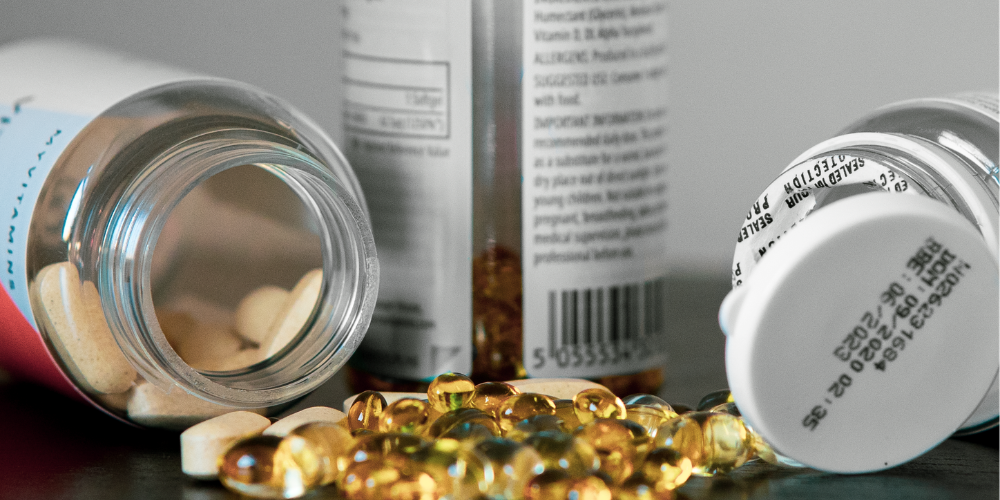
Fatigue, weight gain, poor sleep, mood changes, and irregular cycles often send women searching for hormone supplements. Many end up with a cabinet full of products but little lasting improvement because the supplements were chosen based on symptoms instead of the reason those symptoms developed.
In my practice, I rarely begin by asking which supplement someone should take. I start by asking why the symptoms are happening in the first place.
In this article, you’ll learn what hormone supplements can and cannot do, why hormone testing provides better answers than guesswork, and how identifying the root cause of hormone imbalance leads to more targeted treatment and better long-term results.
Many women begin looking for hormone supplements after months or even years of feeling unlike themselves.
They feel exhausted despite getting enough sleep. Their clothes fit differently. Their patience is shorter. Their periods have changed, or they wake up every night at 3 a.m.
Someone recommends magnesium.
Another suggests DIM.
A podcast recommends maca.
Social media says everyone in perimenopause needs progesterone cream.
Before long, the supplement cabinet keeps growing while the symptoms stay the same.
I see this pattern often. Most women aren’t making poor decisions. They’re doing the best they can with incomplete information.
The problem isn’t that supplements never work.
The problem is that supplements cannot tell you why your symptoms started.
Why So Many Women End Up Taking Multiple Hormone Supplements
Hormone symptoms are frustrating because they overlap.
Fatigue can come from thyroid dysfunction, iron deficiency, insulin resistance, chronic stress, sleep disruption, perimenopause, or several factors happening together.
Mood changes can be influenced by fluctuating estrogen, nutrient deficiencies, blood sugar swings, poor sleep, or inflammation.
Weight gain has dozens of possible contributors beyond hormone production alone.
When symptoms overlap this much, choosing supplements based only on symptoms becomes guesswork.
That doesn’t mean supplements have no value.
It means they work best when they’re chosen with a clear understanding of what they’re supporting.
Social media recommendations aren't personalized
Most online advice starts with a symptom.
“If you’re tired, take this.”
“If you’re anxious, try this.”
“If you’re in perimenopause, everyone needs this.”
The reality is much more nuanced.
Your hormones interact with your thyroid, immune system, digestive system, nervous system, liver, adrenal function, nutrient status, sleep quality, and metabolism.
A recommendation that helped someone else may have nothing to do with what’s driving your symptoms.
Similar symptoms can have very different causes
Two women may both experience fatigue.
One may have iron deficiency.
Another may be developing insulin resistance.
A third may have fluctuating estrogen during perimenopause.
A fourth may have poor cortisol rhythm that’s disrupting restorative sleep.
The symptom looks similar.
The biology is completely different.
That’s why symptom-based treatment often leads to disappointment.
What Hormone Supplements Can and Cannot Do
Before deciding whether a supplement belongs in your plan, it’s helpful to understand what supplements are designed to do.
Hormone supplements are vitamins, minerals, herbs, or nutrients intended to support hormone production, metabolism, or the body’s response to hormonal changes. They are different from prescription hormone replacement therapy.
Some supplements have encouraging research behind specific uses.
For example, magnesium may help improve sleep quality in people with low magnesium status. Vitamin D is important for bone health, immune function, and many hormone-related processes. Omega-3 fatty acids support cardiovascular health and may influence inflammation.
Each of these nutrients has an appropriate place in care.
None of them identifies why your symptoms developed.
Supplements support function
Think of supplements as support.
They provide raw materials.
They may improve a process that’s under strain.
They may help correct a documented deficiency.
What they cannot do is diagnose the underlying reason your body needs that support.
If someone has low iron because of heavy menstrual bleeding, simply taking iron without understanding why the bleeding is occurring addresses only part of the picture.
If someone has fatigue because of insulin resistance, taking adrenal herbs may not improve energy because the primary driver hasn’t changed.
In my practice, I want every recommendation to have a reason behind it.
That reason comes from data, not assumptions.
Supplements don’t diagnose problems
Supplements are not diagnostic tools.
They cannot distinguish whether fatigue is related to thyroid function, nutrient status, blood sugar regulation, inflammation, sleep quality, or reproductive hormones.
This is one of the biggest reasons women spend years trying products without lasting success.
The products themselves may not be ineffective.
They may simply be solving a problem that isn’t present.
The Root Cause of Hormone Imbalance Isn't Always the Hormones
One of the biggest misconceptions I see is that hormone symptoms always start with the hormones themselves.
Hormones are messengers. They respond to what’s happening throughout the body. When another system is under stress, hormone production, metabolism, and signaling can change as a result.
That’s why I don’t look at hormone levels in isolation. I want to understand the environment those hormones are working in.
The root cause of hormone imbalance is the underlying biological process that disrupts normal hormone production, metabolism, or signaling. This may involve nutrition, metabolism, thyroid function, inflammation, stress physiology, or other body systems.
Blood sugar regulation
Your body is designed to keep blood sugar within a narrow range. When that system becomes less efficient, insulin levels often rise before blood sugar appears abnormal on routine testing.
Over time, higher insulin levels can influence ovarian hormone production, increase inflammation, and make weight management more difficult.
Research has consistently shown that insulin resistance plays an important role in conditions such as polycystic ovary syndrome (PCOS), and it may also contribute to metabolic changes during perimenopause. The American Diabetes Association also recognizes that insulin resistance can develop years before diabetes is diagnosed.
If insulin is contributing to your symptoms, taking a supplement aimed at estrogen metabolism alone may not address the primary issue.
Nutrient deficiencies
Hormones depend on nutrients to be produced, transported, activated, and broken down.
Iron helps deliver oxygen throughout the body. B vitamins support energy metabolism. Magnesium participates in hundreds of enzymatic reactions. Vitamin D acts more like a hormone than a traditional vitamin and influences many tissues throughout the body.
A deficiency doesn’t always create one obvious symptom.
Instead, it can contribute to fatigue, poor concentration, reduced exercise tolerance, mood changes, hair loss, and slower recovery.
Rather than assuming which nutrient is low, I prefer to evaluate the data first.
Chronic inflammation
Inflammation is a normal part of healing.
When it becomes persistent, it affects much more than the immune system.
Chronic inflammation influences insulin sensitivity, thyroid function, ovarian function, and the way cells respond to hormones.
It may also contribute to fatigue that doesn’t improve with sleep.
Inflammation has many possible causes, including autoimmune conditions, poor metabolic health, infections, digestive disorders, and lifestyle factors.
Finding the source matters more than trying to suppress the symptoms.
Thyroid health
Many women tell me they’ve had their thyroid checked and were told everything looked normal.
Sometimes that’s true.
Sometimes only a basic screening test was performed, and it doesn’t provide the full picture.
The thyroid works closely with reproductive hormones, metabolism, body temperature regulation, and energy production.
When thyroid function changes, women may notice fatigue, constipation, dry skin, hair thinning, difficulty losing weight, or menstrual changes.
Those symptoms overlap with many hormone concerns.
That’s another reason testing is more valuable than guessing.
Stress physiology
Stress isn’t just emotional.
It’s biological.
Poor sleep, illness, overtraining, chronic pain, under-eating, and prolonged psychological stress all influence how the body allocates energy.
Over time, this can affect appetite, blood sugar regulation, reproductive hormones, and recovery.
In my practice, addressing stress physiology doesn’t mean telling someone to “relax.”
It means understanding how the body is responding and identifying practical strategies that fit that person’s life.
Why Hormone Testing Matters Before Choosing Supplements
This is where my approach differs from symptom-based recommendations.
Instead of asking which supplement matches your symptoms, I ask what the testing shows.
That shifts the conversation from trial and error to informed decision-making.
Hormone testing measures hormones or related biomarkers to evaluate how the endocrine system is functioning. The appropriate test depends on the symptoms being investigated and may include blood, urine, or saliva testing when clinically appropriate.
Functional lab testing uses laboratory data alongside symptoms, health history, and clinical evaluation to identify patterns that may contribute to illness before assuming every result within a reference range is optimal for that individual.
Functional testing is not about creating diagnoses where none exist.
It’s about asking more complete questions.
Depending on someone’s symptoms, that evaluation may include hormone testing, thyroid markers, nutrient status, iron studies, blood sugar markers, inflammatory markers, or other laboratory assessments.
The goal is not to order every available test.
The goal is to order the right tests.
Looking beyond “normal”
A laboratory reference range tells us where most values from a healthy population fall.
It does not automatically explain why you’re experiencing symptoms.
Results should always be interpreted alongside your medical history, physical examination, and symptom pattern.
In my practice, I don’t dismiss symptoms simply because one lab value falls within a reference interval.
I also don’t recommend treatment based on symptoms alone.
The combination of your history and your laboratory findings provides the most useful information.
Reassessing progress
Testing isn’t just about finding a starting point.
It’s also about measuring progress.
If we recommend nutrition changes, lifestyle interventions, or targeted supplements, I want to know whether they’re producing the intended effect.
Without reassessment, it’s difficult to know whether a plan is working or whether it needs to be adjusted.
That’s one reason many women stay on the same supplements for years without knowing if they’re still necessary.
What a Personalized Treatment Plan Looks Like
Every woman arrives with a different history.
That’s why every plan should begin with understanding her unique physiology rather than following a generic supplement list.
In my practice, I use a simple framework.
Test
We begin with a detailed health history, symptom timeline, and targeted laboratory testing.
The goal isn’t to collect more information than we need.
It’s to identify the factors most likely contributing to your symptoms.
Treat
Treatment is based on the findings.
That may include nutrition changes, sleep strategies, movement recommendations, stress support, targeted supplements, or referrals when appropriate.
Supplements become one part of the plan rather than the entire plan.
Each recommendation has a clinical purpose.
Retest
The final step is often overlooked.
Your body changes over time.
As deficiencies improve, hormones stabilize, or metabolic health changes, your treatment plan should evolve as well.
Retesting helps determine what’s working, what no longer needs support, and where adjustments should be made.
Hormone supplements can be valuable tools.
They are not a substitute for understanding why symptoms developed in the first place.
When supplements are chosen without testing, they’re often based on assumptions rather than evidence.
When treatment begins with a clear understanding of the root cause of hormone imbalance, every recommendation becomes more intentional.
In my practice, that’s how I help women move away from trial and error and toward a plan that’s built around their biology.
Frequently Asked Questions
Hormone supplements may not improve symptoms if they aren’t addressing the underlying cause. Fatigue, mood changes, weight gain, and irregular cycles can result from thyroid dysfunction, nutrient deficiencies, blood sugar imbalance, inflammation, sleep disruption, or hormonal changes. Testing helps identify which factors are contributing to your symptoms.
If your symptoms have persisted despite lifestyle changes or multiple supplements, hormone testing can provide valuable information. Appropriate testing helps guide treatment decisions instead of relying on trial and error.
Hormone testing is often one part of identifying the root cause. Depending on your symptoms, your clinician may also evaluate thyroid function, nutrient status, blood sugar regulation, and inflammatory markers to build a more complete picture.
Functional lab testing combines laboratory results with your symptoms, health history, and clinical evaluation. Rather than interpreting numbers in isolation, it looks for patterns that may explain why you’re experiencing ongoing symptoms.
No. Many supplements have evidence supporting their use in appropriate situations. The challenge is choosing the right supplement for the right person at the right time, based on clinical findings rather than symptoms alone.
The answer depends on why the supplement was recommended and whether it’s still addressing an identified need. Regular reassessment helps determine whether a supplement should be continued, adjusted, or discontinued.
Tags :
- fatigue
- /
- health
- /
- hormone health
- /
- hormone support
- /
- medication
- /
- perimenopause
- /
- supplements
- /
- weight
- /
- women's health
Share :
-
Fb
-
Pn
-
Ln
Keep Up With Articles