- Published: April 23, 2026
- //
- Blog
The Importance of Gut Health in Modern Medicine
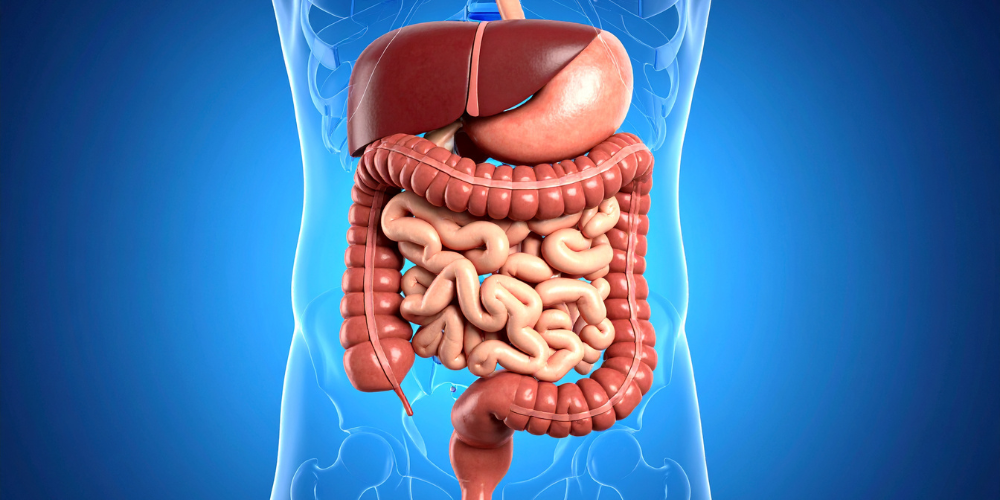
If you’ve ever been told “everything looks normal” while still dealing with fatigue, bloating, brain fog, or stubborn health issues, you’re not alone. In my work, this is one of the most common frustrations I hear. And more often than not, the missing piece is hiding in plain sight: your gut.
This is about reframing how we look at gut health in modern medicine. It’s not just about digestion. Your gut influences your immune system, hormones, mood, and even how your body processes nutrients. Yet, it’s still often overlooked in conventional care.
In this post, I’ll walk you through the key reasons gut health matters, what modern medicine is starting to recognize, and how to approach healing in a way that actually addresses root causes not just symptoms.
1. Your Gut Is the Control Center of Your Health
Your gut does far more than break down food. It acts as a communication hub between multiple systems in your body.
- About 70% of your immune system lives in your gut
- Your gut produces neurotransmitters like serotonin
- It plays a key role in inflammation and nutrient absorption
When gut health is compromised, it doesn’t stay isolated. It shows up as fatigue, skin issues, hormone imbalances, and even anxiety.
Best Practice: Pay attention to subtle symptoms like bloating, irregular bowel movements, or food sensitivities they’re early signals, not inconveniences.
Common Mistake: Waiting until symptoms become severe before addressing gut health.
2. The Microbiome Shapes Everything
Your gut is home to trillions of bacteria, collectively known as the microbiome. These microbes influence:
- Digestion and metabolism
- Immune response
- Mood and cognitive function
An imbalance (dysbiosis) can contribute to chronic conditions like IBS, autoimmune disorders, and metabolic dysfunction. It’s important to understand that gut health isn’t about eliminating bacteria, it’s about balance.
Best Practice: Focus on diversity in your diet, fiber-rich foods, fermented options, and whole foods.
Common Mistake: Overusing probiotics without understanding what your body actually needs.
3. Modern Medicine Is Catching Up But Still Missing Gaps
There’s growing recognition of gut health in modern medicine, but standard testing often falls short.
Most conventional labs:
- Don’t assess microbiome diversity
- Miss early-stage dysfunction
- Focus on disease, not imbalance
That’s why many people feel dismissed when results come back “normal.”
Best Practice: Work with practitioners who look beyond basic labs and consider functional testing.
Common Mistake: Accepting “normal” as the end of the conversation when symptoms persist.
4. Gut Health and Hormones Are Deeply Connected
One of the most overlooked connections is between gut health and hormones.
Your gut helps:
- Metabolize estrogen
- Regulate cortisol (stress hormone)
- Support thyroid function
When gut health is off, hormone imbalances often follow, showing up as fatigue, weight changes, mood swings, or irregular cycles.
This is especially relevant for women over 30, where subtle shifts begin to compound.
Best Practice: Support gut health as part of any hormone-balancing strategy.
Common Mistake: Treating hormones in isolation without addressing gut function.
5. Inflammation Often Starts in the Gut
Chronic inflammation is at the root of many modern diseases and the gut is often where it begins.
Triggers include:
- Poor diet
- Chronic stress
- Environmental toxins
- Infections or imbalances
When the gut lining becomes compromised (“leaky gut”), it allows unwanted particles into the bloodstream, triggering immune responses.
Best Practice: Reduce inflammatory triggers while supporting gut repair through nutrition and lifestyle.
Common Mistake: Relying solely on anti-inflammatory supplements without addressing underlying causes.
6. Healing Requires a Personalized Approach
There is no one-size-fits-all solution for gut health.
What works for one person may not work for another because:
- Microbiomes are unique
- Stress levels vary
- Nutrient needs differ
This is where personalized care becomes essential.
The takeaway is simple: real healing happens when we stop guessing and start understanding your body’s specific needs.
7. Small Daily Habits Make a Big Impact
You don’t need to overhaul your entire life overnight. Consistency matters more than intensity.
Start with:
- Eating whole, unprocessed foods
- Managing stress (this directly impacts gut health)
- Prioritizing sleep
- Staying hydrated
These foundational habits create the environment your gut needs to heal.
Best Practice: Build sustainable routines instead of chasing quick fixes.
Common Mistake: Jumping from one trend to another without consistency.
Gut health is no longer a niche topic, it’s central to how we understand modern health. From immunity to hormones to mental clarity, everything connects back to the gut.
It’s an invitation to look deeper. If you’ve been managing symptoms without clear answers, it’s not a lack of effort, it’s a lack of the right information.
At Hope Natural Health, as a Naturopathic Doctor, the focus is on identifying root causes, not masking symptoms. That’s how we create real, lasting change.
If you’re ready to understand what your body has been trying to tell you and finally take a clear, personalized path forward:
Tags :
- brain
- /
- fatigue
- /
- gut health
- /
- holistic health
- /
- hormone
- /
- microbiome
- /
- women's health
- /
- women’s wellness
Share :
-
Fb
-
Pn
-
Ln
Keep Up With Articles